
Description
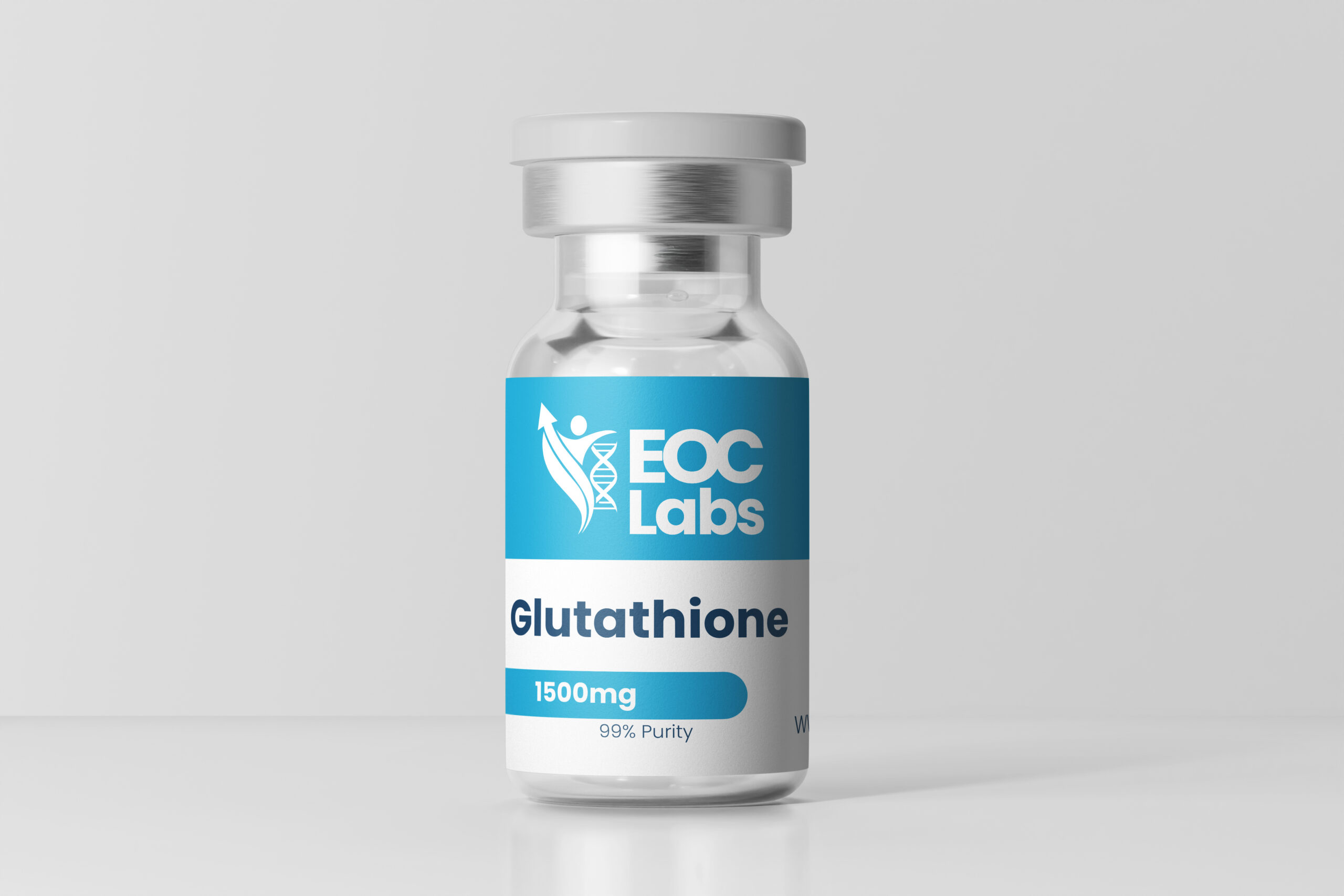
Glutathione
Overview
Glutathione is a naturally occurring tripeptide composed of glutamic acid, cysteine, and glycine. It is widely studied in cellular biology as a central component of intracellular redox regulation and antioxidant defense systems. In laboratory research environments, glutathione is investigated for its role in maintaining cellular oxidative balance and supporting enzymatic detoxification pathways.
Within biological systems, glutathione functions as a key molecule involved in protecting cells from oxidative stress by participating in reduction–oxidation (redox) reactions. Experimental research models frequently examine glutathione dynamics in relation to mitochondrial activity, cellular metabolism, and detoxification processes mediated through glutathione-dependent enzymes.
Mechanism of Action
Glutathione operates primarily as an intracellular antioxidant through participation in redox cycling reactions. The reduced form (GSH) acts as an electron donor that neutralizes reactive oxygen species (ROS) and other oxidizing molecules produced during cellular metabolism.
During these reactions, glutathione is oxidized to glutathione disulfide (GSSG). Cellular enzymes such as glutathione reductase subsequently convert GSSG back to the reduced GSH form, allowing the molecule to continue functioning within antioxidant defense systems.
In experimental biochemical models, glutathione also participates in enzymatic detoxification pathways involving glutathione S‑transferases (GSTs). These enzymes catalyze conjugation reactions that allow cells to neutralize and remove electrophilic compounds and metabolic byproducts.
Research Applications
- Cellular antioxidant defense research
- Oxidative stress pathway studies
- Mitochondrial function investigations
- Detoxification enzyme pathway models
- Redox signaling and intracellular metabolism research
Chemical & Molecular Specifications
Compound name: Glutathione
Chemical classification: Tripeptide
Sequence: γ‑L‑Glutamyl‑L‑Cysteinyl‑Glycine
Molecular formula: C10H17N3O6S
Molecular weight: 307.32 g/mol
Mono-isotopic mass: 307.0838 Da
CAS number: 70-18-8
Typical analytical purity: ≥99%
Lyophilized Peptide
This compound may be supplied in lyophilized (freeze-dried) form to support molecular stability during storage and transport. Lyophilization removes water under controlled conditions, helping preserve molecular integrity prior to reconstitution for laboratory applications.
Storage & Handling (Research Use Only)
- Store lyophilized material at -20°C or below unless otherwise specified by laboratory protocol.
- Following reconstitution, short-term storage at 2–8°C is recommended.
- Protect from light and temperature extremes.
- Avoid repeated freeze–thaw cycles.
- Handle using appropriate sterile laboratory techniques and institutional safety procedures.
References (Research Literature)
PubMed – Glutathione and oxidative stress mechanisms
PubMed – Cellular glutathione metabolism
PubChem – Glutathione compound listing
ScienceDirect – Glutathione antioxidant pathways
Research Disclaimer (EOC Labs)
RESEARCH USE ONLY.
This product is not intended for therapeutic, diagnostic, or clinical use.It is not a drug, food, cosmetic, or dietary supplement. EOC Labs products are sold strictly for laboratory research and analytical purposes only.
All information provided by EOC Labs, including descriptions, references,and technical data, is intended solely for educational and informational purposes. Statements have not been evaluated by the U.S. Food and Drug Administration (FDA). No claims are made regarding safety, efficacy, or suitability for any medical or consumer application.
By purchasing this product, the buyer certifies that it will be handled by qualified professionals in a properly equipped laboratory and used in compliance with all applicable local, state, and federal laws and regulations.


 20% off (first time buyer sign up).
There are no reviews yet.